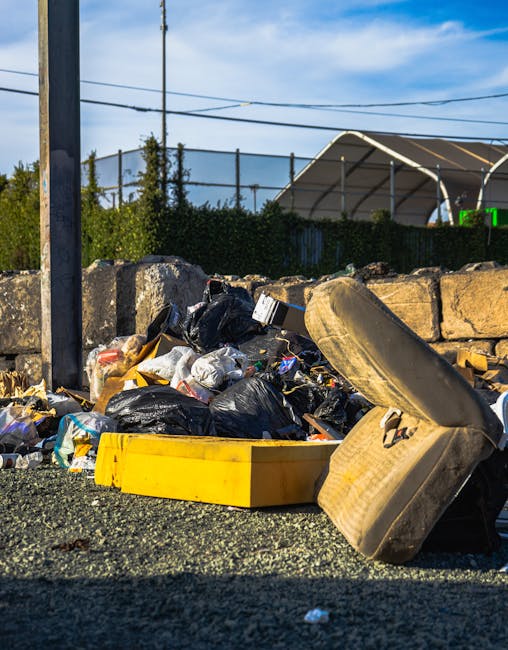
SE3 bulky rubbish removal rules for local households
If you live in SE3 and you are trying to clear a sofa, mattress, old wardrobe, broken appliance, or a pile of mixed household clutter, the rules can feel annoyingly unclear. Can it go out with the normal collection? Do you need a special booking? What happens if the item is too big, too heavy, or just awkward to move down a narrow stairwell? Those are the everyday questions this guide answers.
This article explains the SE3 bulky rubbish removal rules for local households in plain English, with practical steps, common mistakes, and a few sensible ways to keep things legal, tidy, and low-stress. Truth be told, most problems come from people guessing. A little planning goes a long way.
We will cover how bulky waste usually works in a local household setting, what to do with furniture and appliances, how to avoid rejected collections, and when a broader service such as general waste removal or house clearance makes life easier. Let's get into it.
Table of Contents
- Why SE3 bulky rubbish removal rules for local households Matters
- How SE3 bulky rubbish removal rules for local households Works
- Key Benefits and Practical Advantages
- Who This Is For and When It Makes Sense
- Step-by-Step Guidance
- Expert Tips for Better Results
- Common Mistakes to Avoid
- Tools, Resources and Recommendations
- Law, Compliance, Standards, or Best Practice
- Options, Methods, or Comparison Table
- Case Study or Real-World Example
- Practical Checklist
- Conclusion
- Frequently Asked Questions
Why SE3 bulky rubbish removal rules for local households Matters
Bulky waste is not the same as regular bin waste. A tea bag, food packaging, and broken household bits can usually be handled through normal collections, but larger items need a different approach. That distinction matters because oversized waste can block pavements, damage shared hallways, create safety hazards, or be left behind if it does not meet collection rules.
For SE3 households, the rules matter even more because many homes in the area have shared access, front steps, tight side returns, or limited storage space. One oversized item can become a trip hazard in seconds. You may also need to think about neighbours, parking, and where the item sits before collection day. Small detail, but it matters.
There is also a legal and environmental side. Bulky waste is often sorted for reuse, recycling, or proper disposal, but only if it is handed over correctly. If you leave items out the wrong way, you risk missed collections or, worse, fly-tipping issues. Nobody wants that. Nobody.
Key takeaway: the safest route is usually to identify the item, separate anything hazardous, choose the right collection method, and make sure it is easy and safe to remove on the day.
For households with several items at once, it can be worth looking at home clearance or furniture clearance rather than treating everything as one-off rubbish. That often saves time and reduces the chance of making a messy pile outside the property.
How SE3 bulky rubbish removal rules for local households Works
In practice, bulky rubbish removal for local households usually works in one of three ways: council-style bulky item collection, private removal, or self-delivery to a suitable disposal point. Which one is best depends on the item, how quickly you need it gone, and whether it can be moved safely.
The core rule is simple: bulky items should be placed out for collection only in the way the service requires. That may mean leaving them in an agreed spot, booking a time slot, or ensuring they are accessible without blocking pavements or entrances. If the item is inside a flat, there may be extra considerations. In those cases, services such as flat clearance can be a better fit because they are designed around stairs, communal hallways, and awkward access.
Different waste categories are often treated differently. For example, a wooden chair, a broken washing machine, and a paint tin are not all handled the same way. A mattress or sofa may need particular care, while fridges and appliances are usually dealt with separately because of their components. If the item contains hazardous materials, it needs more caution still. That is where fridge and appliance removal and hazardous waste disposal become relevant.
Many households also underestimate the role of access. Can the removal team get the item out without lifting over bannisters? Is there enough space on the drive? Is the item dismantled enough to move safely? Those practical questions often decide whether a collection is smooth or a bit of a headache.
Key Benefits and Practical Advantages
Following the rules is not just about avoiding hassle. Done properly, bulky rubbish removal is easier, safer, and often cheaper than people expect.
- Less risk of missed collections: items are presented correctly and can be taken away without delays.
- Improved safety: heavy furniture and awkward appliances are handled with less chance of injury or damage.
- Cleaner communal spaces: shared hallways, front gardens, and pavements stay clearer.
- Better recycling outcomes: reusable materials can be separated more easily when the load is prepared properly.
- Less stress: you are not left wondering whether the item is allowed or how it will be lifted out.
There is a calmness to having bulky waste handled properly. One minute the spare room is crowded with a sagging sofa and an old chest of drawers; the next, the space feels breathable again. You can hear the room, if that makes sense. Not the clatter of stuff, just quiet.
Another benefit is flexibility. If your clear-out is bigger than a single item, a more comprehensive service such as garage clearance, loft clearance, or house clearance may be better than organising several separate collections. That is especially true when bulky items are mixed with old boxes, textiles, or general clutter.
Who This Is For and When It Makes Sense
This topic is for local households in SE3 that need to get rid of something too large for the normal bin system. That could be a one-off sofa after a living room refresh, a broken wardrobe from a bedroom tidy-up, or a family clear-out after years of things quietly gathering in the spare room. Happens to the best of us.
It is also relevant if you are moving, downsizing, renovating, or clearing out after tenants have left. In those situations, bulky rubbish can appear faster than expected. One box becomes five. Then a mattress is leaning in the corner. Then there is an appliance that nobody wants to deal with. Classic.
The rules make the most sense when you are deciding between a few different paths:
- Single item: one sofa, mattress, or appliance may suit a targeted collection.
- Room-by-room clear-out: a combined service may be simpler if several bulky items are involved.
- Access issues: flats, basements, and narrow staircases often need experienced handling.
- Mixed waste: furniture, small junk, and appliance items may require sorting first.
- Time pressure: if you need the item gone quickly, private removal is often easier to arrange.
If your situation includes confidential papers or stored documents alongside the bigger items, you may also want to combine the job with confidential shredding. It keeps the whole clear-out more organised, and there is less chance of sensitive material being left in a pile by accident.
Step-by-Step Guidance
Here is a practical way to approach bulky rubbish removal without overthinking it.
- Identify the item clearly. Write down what it is, its approximate size, and whether it is damaged, dirty, or contains any electrical or hazardous components.
- Check whether it can be reused or dismantled. Some furniture can be broken down into smaller parts, which makes removal simpler. Do not force it if that creates a risk.
- Separate anything risky. Batteries, liquids, sharp metal edges, and chemical products should not be mixed casually with furniture or general rubbish.
- Choose the right service. If it is one item, targeted removal may do. If it is multiple rooms, consider broader help such as waste removal.
- Make access easy. Move the item to a clear area if it is safe to do so, unlock gates, and check parking or loading access.
- Keep the collection point tidy. Avoid spreading items out. One neat stack is easier to deal with than five mini-piles.
- Confirm what is excluded. If there is anything unusual, such as a fridge, old paint, or damaged electricals, flag it before the day.
- Ask about recycling or recovery. If you care about sustainability, a service that sorts for recycling can make the process feel less wasteful.
One useful habit: take a photo of the items before collection. It helps you keep track of what is going and makes the whole process feel more controlled. Nothing fancy, just a quick phone snapshot. That tiny step often saves a lot of back-and-forth later.
Expert Tips for Better Results
After enough clear-outs, a few patterns become obvious. The smooth jobs are rarely the lucky ones. They are the prepared ones.
- Measure large items before booking. A tape measure beats guesswork every time, especially for sofas, wardrobes, and appliances.
- Separate furniture from mixed rubbish. Clear categories make collection and sorting easier.
- Be honest about access. If the staircase is narrow or the driveway is awkward, say so early. It changes the plan.
- Protect shared areas. Use a dust sheet or cardboard if you are moving items through a hallway. A little care goes a long way.
- Think about the weather. A damp mattress or rain-soaked cardboard is harder to manage and can create extra mess.
- Use the right disposal route for each item. Sofa and mattress disposal often needs a different approach from a box of old books or a garden bench.
If the clear-out has a domestic and renovation feel mixed together, you may be dealing with more than household bulky waste. In that case, builders waste clearance can be relevant for offcuts, rubble, and renovation debris. It is a small distinction, but an important one.
And honestly, don't wait until the item is blocking the front door. That is when the job starts feeling twice as big as it really is.
Common Mistakes to Avoid
Most problems with bulky rubbish removal are avoidable. The usual mistakes are simple, but they create unnecessary delays.
- Leaving items out too early: this can create obstruction, attract attention, or cause complaints in shared spaces.
- Mixing prohibited items with household waste: one bad item can affect the whole load.
- Forgetting appliance rules: fridges, freezers, and similar items are often treated differently because they are not just "another box".
- Not checking access: a collection can fail if the item cannot be safely moved.
- Underestimating volume: many people book for one item and then realise the whole room needs clearing.
- Ignoring safety: lifting heavy furniture without help is how backs get tweaked and fingers get trapped. Not ideal, to say the least.
Another common slip is assuming every service accepts every item. They do not. For example, sofas, mattresses, appliances, and waste containing hazards may each need a slightly different route. That is why service-specific pages such as mattress and sofa disposal and fridge and appliance removal are useful reference points.
Tools, Resources and Recommendations
You do not need much equipment to handle bulky waste well, but a few basic tools make the job far easier.
- Measuring tape: for checking whether furniture will fit through doors and hallways.
- Heavy-duty gloves: useful for splinters, sharp edges, and awkward handles.
- Strong bin bags or boxes: for loose associated waste, screws, or small items from dismantled furniture.
- Old blanket or sheet: helpful for protecting floors and shared areas during movement.
- Phone camera: for photographing items and keeping a record of what needs removing.
For planning, it helps to review service details before you book. A page like pricing and quotes is useful when you want to understand how larger household jobs are usually estimated. If you care about what happens after collection, recycling and sustainability can also give you a better sense of how recovered materials are handled.
If you are unsure whether a bulky item can go into a skip, the practical guide at what can go in a skip is worth a look. Sometimes that is the simplest comparison point, especially if you are weighing skip hire against a direct removal service.
Law, Compliance, Standards, or Best Practice
Household bulky waste in the UK sits within a broader framework of responsible waste handling. You do not need to become a legal expert, but you do need to avoid careless disposal. The core best practice is straightforward: waste should be transferred to a legitimate collector or disposal route, and it should be separated where required.
For households, the most relevant compliance point is to avoid putting out items in a way that creates a hazard, blocks public access, or causes uncontrolled dumping. Shared entrances, pavements, and front gardens are not free storage areas. It sounds obvious, yet this is where many disputes begin.
There is also a duty of care mindset to keep in view. In plain English, that means you should take reasonable steps to make sure your rubbish ends up with someone who can handle it properly. If a collector cannot explain how the waste is handled, or if the booking feels vague, take a breath and ask more questions. Better safe than sorry.
Best practice also means being careful with hazardous materials. Items such as old chemicals, certain electrical parts, paint, or contaminated materials should not be casually mixed into bulky waste. If something looks suspicious, treat it as a separate category and ask for guidance before moving it. That small pause can prevent a much bigger problem.
For households wanting a more organised, trustworthy approach, it is worth checking a provider's operational pages such as health and safety policy, insurance and safety, and terms and conditions. These pages tell you a lot about how seriously a company takes handling, access, and responsibility. Quietly important stuff.
Options, Methods, or Comparison Table
If you are choosing how to deal with bulky household waste in SE3, the right method depends on size, urgency, access, and the type of item. Here is a simple comparison.
| Method | Best for | Strengths | Possible drawbacks |
|---|---|---|---|
| Council-style bulky item collection | One or two straightforward household items | Simple and familiar for many households | May involve stricter rules, booking steps, or longer waits |
| Private bulky rubbish removal | Urgent or awkward items, especially in flats or narrow access homes | Flexible, often quicker, helpful for mixed loads | Needs a clear quote and careful provider selection |
| Self-delivery to a disposal point | Households with transport and time | Can suit confident DIY clear-outs | Heavy lifting, vehicle space, and disposal rules still matter |
| Full property clearance | Moves, bereavement clearances, deep decluttering, or renovation leftovers | Efficient for multiple bulky items and mixed waste | More coordination needed up front |
In a small SE3 flat, private removal often makes the most sense because access is the real issue, not just the item itself. In a house with a driveway and just one sofa, a simpler route may be enough. Context matters. Always.
Case Study or Real-World Example
Imagine a typical SE3 household with a tired three-seater sofa, a broken bedside cabinet, and a fridge that has stopped cooling properly. The family has been meaning to deal with it for weeks, but life gets in the way. School runs, work calls, shopping, the usual.
At first glance, it looks like one "big rubbish" job. In reality, it is three different waste streams. The sofa may need furniture-specific handling, the cabinet might be reusable or recyclable if in decent condition, and the fridge needs separate appliance removal because of its components. If they tried to dump everything together, the process could become awkward fast.
The better approach is to sort the items, confirm access, and book a collection that can handle the whole mix properly. If the family also has a stack of old boxes and hallway clutter, a wider house clearance style service could be more practical than booking separate pickups. One trip, one tidy result. That's the appeal.
What tends to surprise people is how quickly the room feels transformed afterwards. Not magical, just lighter. The tired sofa vanishes, the corner opens up, and suddenly the space feels usable again. That change is often bigger than the item itself.
Practical Checklist
Use this checklist before arranging bulky rubbish removal in SE3.
- Have you listed every bulky item that needs removing?
- Have you checked whether any items are electrical, hazardous, or especially heavy?
- Have you measured the largest item and the main access points?
- Have you separated reusable furniture from general rubbish?
- Have you confirmed whether the collection point is inside, outside, or on a shared access route?
- Have you removed personal items from drawers, cupboards, and pockets?
- Have you checked whether you need a specialist service for appliances or mattresses?
- Have you reviewed the provider's safety and payment information?
- Have you planned where the items will wait without blocking anyone?
- Have you thought about whether this is really a one-item job or a larger clear-out?
If you can tick most of those off, you are in good shape. If not, take another five minutes. That is usually enough to avoid a silly delay later.
Conclusion
SE3 bulky rubbish removal rules for local households are not complicated once you strip away the guesswork. Identify the item, keep safety in mind, separate anything risky, and choose the right route for the job. A single sofa is one thing. A flat full of furniture, appliance waste, and mixed clutter is another. Matching the method to the mess makes the whole process calmer and more efficient.
For many households, the biggest win is simply knowing what to do next. That clarity saves time, reduces stress, and keeps shared spaces cleaner and safer. And yes, it also means fewer awkward moments trying to squeeze a wardrobe through a hallway that was never really built for wardrobes in the first place.
Get a free quote today and see how much you can save.
Whatever you are clearing, take it one sensible step at a time. A tidy home can feel like a small fresh start, and sometimes that is exactly what you need.
Frequently Asked Questions
What counts as bulky rubbish in a household?
Bulky rubbish usually means items too large or awkward for normal bin collections, such as sofas, mattresses, wardrobes, tables, appliances, and large bits of furniture.
Can I leave bulky items on the pavement in SE3?
Only if the collection method specifically allows it and you have followed the required instructions. Leaving items out incorrectly can cause obstruction or complaints, so it is best to confirm the process first.
Do mattresses and sofas need special handling?
Often, yes. Mattresses and sofas are commonly handled through specific disposal routes because they are bulky, difficult to transport, and may need sorting for recycling or recovery.
What should I do with a broken fridge or freezer?
Fridges and freezers are best handled separately from ordinary bulky waste. They may need dedicated appliance removal because of their internal components and the way they are processed.
Is it cheaper to remove bulky items myself?
Sometimes, but not always. Self-removal can look cheaper at first, yet transport, lifting, fuel, and disposal rules add up. If the item is heavy or awkward, a removal service may be better value.
What if I have several bulky items at once?
If there are multiple items, a broader service such as house clearance, home clearance, or waste removal can be more practical than organising everything separately.
Can I put broken furniture with general rubbish?
Not usually if it is too large or contains materials that need separating. It is better to keep furniture, appliances, and mixed rubbish distinct so the load can be handled correctly.
How do I know if an item is hazardous?
If an item contains chemicals, oils, batteries, pressurised contents, or sharp contaminated parts, treat it with caution. When in doubt, keep it separate and ask before disposal.
What is the best option for flat residents in SE3?
Flat residents often benefit from a private collection or flat clearance approach because access, stairs, and shared hallways can make ordinary removal more difficult.
Should I dismantle furniture before removal?
Only if it is safe and easy to do so. Dismantling can make removal simpler, but forcing old fixtures apart can cause damage or injury. If in doubt, leave it as it is.
How can I prepare for a smooth bulky rubbish pickup?
Measure the items, clear access, remove personal belongings, separate risky materials, and keep the collection point tidy. A little preparation makes a big difference.
What if I want to recycle as much as possible?
Choose a provider or method that takes recycling seriously and sorts items responsibly. Pages like recycling and sustainability can help you understand how recovered materials are managed.
Where can I ask for help if I am not sure what service I need?
Start by comparing the type of item with the available service pages. Furniture, appliances, loft clutter, and full property clear-outs each point to slightly different solutions, so matching the job to the service is the smartest first move.