Reducing the Expense of Bulky Waste Items at Home: A Comprehensive Guide
Disposing of large household items can be a significant challenge for homeowners. Bulky waste items such as furniture, old appliances, mattresses, and garden debris often come with unexpected expense, limited disposal options, and environmental concerns. Thankfully, there are numerous methods to reduce the expense of bulky waste removal at home. This in-depth article explores cost-saving solutions, practical tips, and sustainable methods for managing large household waste items efficiently.

Understanding Bulky Waste at Home
Bulky waste refers typically to large and heavy items that cannot be disposed of through regular curbside garbage collection. Common examples include:
- Old sofas, chairs, and tables
- White goods such as refrigerators, ovens, and washing machines
- Outdated mattresses and bed frames
- Lawn mowers and garden equipment
- Renovation rubble and large carpets
Most municipalities charge extra fees for the collection and disposal of these bulky items. The cost of removal can quickly escalate if homeowners are unaware of alternatives, but with the right strategy, bulky waste expense can be minimized.
Why is Bulky Waste Disposal Expensive?
- Special Handling: Large and awkwardly-shaped objects require extra labor and equipment, increasing removal costs.
- Landfill Fees: Many bulky items are not biodegradable, and their disposal incurs higher tipping or landfill fees.
- Transportation: Hauling oversized items demands large vehicles and more fuel, further driving up the price.
- Recycling Restrictions: Some materials in bulky waste cannot be recycled easily, limiting eco-friendly disposal methods.
Below, you'll find actionable tips to help reduce the cost of bulky waste disposal and even find eco-friendly solutions in the process.
1. Declutter Before You Dispose: Reduce First
The best way to cut costs on bulky rubbish is to reduce the amount you need to dispose of. Take time to declutter and separate items that may have a second life elsewhere.
- Assess Functionality: Could the item be repaired or upcycled rather than thrown out?
- Disassemble Large Items: Breaking down items into smaller components makes disposal easier and sometimes cheaper.
- Sort Items by Type: Separate metal, wood, textiles, and electronics for more efficient recycling or disposal.
2. Reuse, Repurpose, and Upcycle Bulky Items
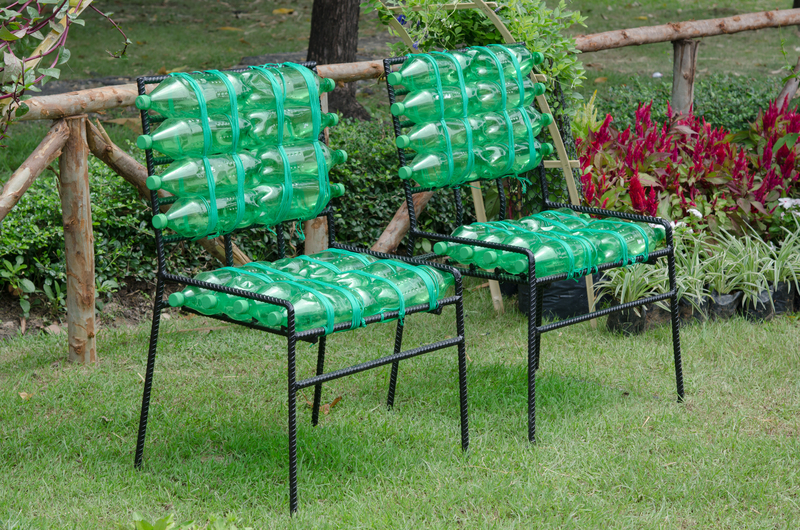
Not everything needs to head to the landfill. Reusing and upcycling bulky waste is a creative and eco-friendly way to save money and add character to your home.
- Donate to Charity: Gently used furniture and appliances can be donated to local organizations. Some charities offer free pick-up services for large items.
- Sell Items Online: Websites such as Craigslist, Facebook Marketplace, and Freecycle make it easy to sell or give away unwanted bulky goods.
- DIY Projects: Old doors become tables, pallets turn into garden planters, and fabric from couches can be repurposed into cushions.
- Community Share Schemes: Look for neighborhood groups where you can swap or give away large items, reducing disposal needs and costs.
Benefits of Repurposing and Upcycling
- Reduces disposal fees
- Lowers environmental impact
- Unleashes creativity and engagement
- May support charitable causes
*By keeping usable items in circulation, you minimize both cost and your home's environmental footprint.*
3. Take Advantage of Free Bulky Waste Collection Days
Many municipalities organize free bulky waste pickup events once or twice per year. Mark your calendar and participate to save on collection fees.
- Check your city's website or contact the local waste authority for dates and guidelines.
- Some towns offer "amnesty days" for electronics, mattresses, or white goods.
- Adhere strictly to rules regarding item size, type, and preparation, as out-of-scope items may incur extra charges.
Tip: Coordinate with neighbors to consolidate loads and maximize free collection opportunities.
4. Rent or Borrow a Vehicle to Haul Bulky Waste
If your municipality doesn't offer free collection, consider transporting your bulky waste directly to a local landfill or recycling center. Renting a truck or borrowing one from a friend can save you service fees and provide more control over your disposal schedule.
- Look for community tool libraries: Some offer vehicle loans or discounted access to trailers.
- Coordinate pickup with friends: Share rental fees or fuel costs by hauling bulky items together.
- Plan your trip: Call the landfill or center in advance to confirm fees, accepted items, and hours of operation.
By self-hauling, you often lower bulky waste removal costs and ensure proper disposal of various materials.
5. Recycle Responsibly to Lower Costs
Recycling bulky waste is not only environmentally friendly, but it may also save you money. Some centers accept certain items for free or at a reduced fee, especially materials like metal, electronics, and large appliances.
- Metal Recycling: Scrap yards may pay for metal from bed frames, washers, or old bicycles.
- Electronic Waste Events: Municipalities or stores often offer e-waste disposal at no charge.
- Retailer Take-Back Programs: When buying a new appliance, ask if the retailer will remove the old item for free.
- Mattress and Carpet Recycling: Some regions have dedicated facilities for recycling mattresses and carpets at reduced rates.
Pro Tip: Always remove hazardous materials and check recycling center guidelines before your visit.
6. Consider Hiring a Professional Waste Removal Service - Wisely
Sometimes, you may need to hire a junk removal company for convenience or if you lack the means to transport items yourself. To maximize savings when using a bulky waste removal service:
- Get Multiple Quotes: Compare local services to avoid overpaying.
- Ask About Minimum Loads: If you have just one or two items, see if you qualify for a reduced "single-item" rate.
- Bundle Your Waste: Save money by scheduling bulk pickups instead of several smaller ones.
- Verify Licensing and Insurance: Ensure the company disposes of items ethically and follows local regulations to avoid fines.
There are specialized services for certain kinds of bulky items --
- Metal and appliance recyclers
- Special mattress pickup services
- Green waste collection for garden debris
Choose companies that embrace green practices and are transparent about where your waste goes.
7. Avoid Hidden Costs and Fines
Improperly disposing of bulky household waste can result in hefty fines or penalties. Protect your wallet and environment by following local rules:
- No Illegal Dumping: Abandoning items in unauthorized areas is both expensive and damaging to the community.
- Follow Regulations: Comply with size, weight, and preparation instructions from your local waste authority.
- Prepare Items Properly: Removing doors from appliances, draining fluids from machines, and breaking down structures may be required for safe disposal.
By planning ahead and complying with the law, you can avoid unnecessary expenses linked to improper disposal of large items.
8. Join or Start a Community Bulky Waste Program
Neighborhood organizations can make a substantial difference in how bulky rubbish is handled. Collective action can drastically reduce the cost of big item disposal for everyone.
- Bully Waste Drives: Organize a community clean-up event where everyone chips in for a shared pickup or dumpster.
- Bulk Waste Swap Days: Plan a day for neighbors to offer unwanted items for free, keeping bulky goods out of the landfill.
- Shared Tool Libraries: Start or join a program that lets residents borrow tools or transport vehicles for large item disposal.
*Community cooperation helps increase efficiency, encourages sustainable practices, and spreads out the cost among many households.*
9. Reduce Future Bulky Waste at the Source
Reducing the generation of future bulky waste is the surest way to cut long-term costs. Mindful consumption and strategic purchases can save you time and money in the years ahead.
- Buy Quality, Not Quantity: Invest in durable, repairable furniture and appliances.
- Choose Modular Designs: Products that easily come apart are simpler and cheaper to transport and recycle.
- Opt for Recyclable Materials: Wood, metal, and certain plastics are easier to repurpose or recycle than mixed-material goods.
- Rent or Borrow for Temporary Needs: Instead of purchasing rarely-used large items, consider renting or borrowing them.
- Maintain What You Own: Regularly care for appliances and furniture to extend their lifespan and prevent premature disposal.
By making conscious choices at the point of purchase, you can drastically reduce bulky item disposal and its associated cost.
Quick Reference: Bulky Waste Cost Savings Methods
- Donate, sell, or repurpose before disposing
- Utilize free municipal collection events
- Self-haul to reduce service fees
- Maximize recycling opportunities
- Bundle waste for bulk discounts
- Follow disposal regulations to avoid fines
- Engage with your local community for pooled resources
- Practice mindful consumer habits
Frequently Asked Questions (FAQs)
How can I dispose of my old couch inexpensively?
- Try giving it away or selling it online - many people are happy to collect for free.
- Look for municipal free pickup days or local charities that accept furniture donations.
- Disassemble and recycle parts where possible.
- If necessary, bundle with other items for bulk pickup to save on fees.
Are there any bulky waste items I should never throw in the landfill?
- Electronics and appliances often contain hazardous materials; use designated e-waste programs.
- Mattresses and carpets can typically be recycled in many regions.
- Paints, chemicals, and batteries require special handling; check local disposal guidelines.
What are the dangers of illegal dumping?
- Severe fines and potential legal action
- Environmental damage and pollution
- Negative impact on neighborhood property values
Conclusion: Save Money and the Environment by Rethinking Bulky Waste
Reducing the expense of bulky waste items at home is both achievable and beneficial, given the right knowledge and a proactive approach. Through creative reuse, effective recycling, strategic planning, and community involvement, you can cut costs, support sustainability, and keep your home clutter-free.
Remember, the most cost-effective solution often aligns with the most eco-friendly one. Whether you're donating, repairing, or pooling resources with your neighborhood, a little effort goes a long way in minimizing both the financial and environmental impact of large household waste.
Make your next bulky waste project simpler, cheaper, and greener -- choose smarter disposal practices today!