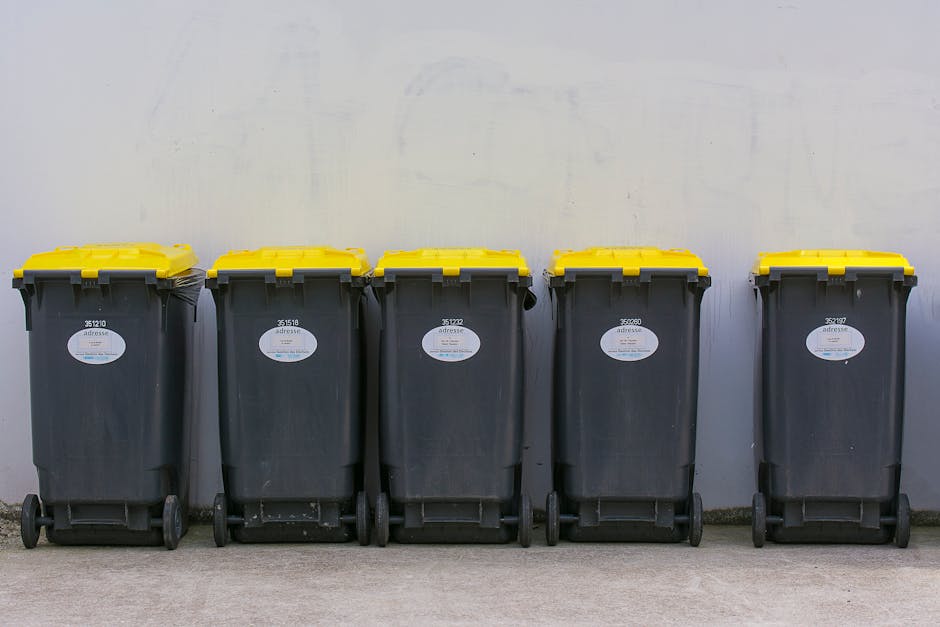
Blackheath Village rubbish removal guide for residents
If you live in Blackheath Village, rubbish has a way of becoming urgent at the least convenient moment. A sofa that will not fit down the stairs. Boxes after a flat move. Garden waste that has quietly turned into a small mountain. This Blackheath Village rubbish removal guide for residents is here to make the process feel far less messy, and a lot more manageable.
Truth be told, most people do not need a complicated explanation. They need to know what can be removed, what should be sorted first, what to avoid, and how to choose a sensible service without overpaying or creating extra hassle. That is exactly what this guide covers, from everyday household clear-outs to bulky items, mixed waste, and situations where a quick, tidy clearance is the easiest option.
Along the way, you will also find practical tips, a comparison table, a real-world example, and a checklist you can actually use. No fluff. Just clear guidance for residents who want the job done properly.
Table of Contents
- Why rubbish removal matters in Blackheath Village
- How rubbish removal works
- Key benefits and practical advantages
- Who this is for and when it makes sense
- Step-by-step guidance
- Expert tips for better results
- Common mistakes to avoid
- Tools, resources and recommendations
- Law, compliance, standards, or best practice
- Options, methods, or comparison table
- Case study or real-world example
- Practical checklist
- Conclusion
- Frequently asked questions
Why Blackheath Village rubbish removal guide for residents Matters
Blackheath Village has its own rhythm. Homes and flats are often compact, parking can be awkward, and shared entrances mean that one person's "I'll just leave this here for a minute" can become everyone else's problem. That is why rubbish removal is not just about getting rid of unwanted items. It is about keeping spaces liveable, safe, and decent for the people using them every day.
For residents, the issue usually falls into one of a few buckets: regular household clutter, bulky items, clearance after decorating, garden waste, or items that cannot go into normal bins. Once waste starts building up, it can affect storage, safety, hygiene, and even how quickly you can finish a move or a refurbishment. Nobody wants a hallway blocked by an old wardrobe for three days. It is the sort of thing that looks temporary, then somehow lingers forever.
There is also the practical side. A well-planned clearance can save time, reduce stress, and stop you making multiple trips to a tip or sorting site. For many residents, that is the difference between a job dragged out over a weekend and one that is gone by lunchtime.
If you are dealing with mixed household waste, large furniture, or an entire room that has reached critical mass, it can help to explore related services such as home clearance, flat clearance, or house clearance depending on the scale of the job.
Practical takeaway: in a village setting with tighter access and shared spaces, rubbish removal works best when it is planned, sorted, and handled in one clean pass rather than piece by piece.
How Blackheath Village rubbish removal guide for residents Works
Rubbish removal for residents is usually straightforward once you understand the basic flow. You identify what needs clearing, decide whether anything should be kept, recycled, donated, or separated, and then arrange collection or removal at a time that suits the property and the items involved.
In practical terms, the process often looks like this:
- Assess the load. Walk through the space and make a rough inventory. Is it one sofa and a few bags, or a full loft plus a broken fridge?
- Separate the obvious categories. Furniture, electricals, green waste, general junk, and anything hazardous should not all be treated the same way.
- Check access. Stairs, narrow hallways, controlled parking, and shared entrances matter more than people think.
- Choose the right removal method. Some jobs suit direct collection; others suit a fuller clearance service.
- Confirm what happens next. You want clarity on handling, recycling, and any items that need special care.
That last point matters. Residents often want a quick turnaround, but they also want to know items are handled responsibly. A good rubbish removal process should be tidy, efficient, and transparent. No mystery piles. No vague promises. Just a clear outcome.
For heavier or awkward items, specialist pages such as mattress and sofa disposal, fridge and appliance removal, and furniture disposal can be useful if you are dealing with specific items rather than a full property clearance.
Key Benefits and Practical Advantages
The obvious benefit is simple: you get your space back. But the real value goes beyond that. A sensible rubbish removal plan can improve the way your home feels, how safely it functions, and how quickly you can move on with life.
- Less clutter, less stress. A clear room feels calmer almost immediately. You notice it when the floor is visible again.
- Better use of small spaces. Blackheath Village properties often make every square metre work hard.
- Reduced manual lifting. Bulky items are awkward, and sometimes genuinely hazardous to move without help.
- Faster moves and refurbishments. Delays often come from waste waiting around.
- Cleaner shared areas. In flats and terraces, prompt removal helps keep entrances and corridors clear.
- More responsible disposal. Reuse and recycling are easier when items are sorted properly from the start.
There is a less obvious benefit too: decision fatigue drops. When the waste is gone, you stop thinking about it. That sounds small, but anyone who has lived with a spare room full of boxes knows exactly what I mean.
If sustainability matters to you, it is worth looking at how a provider approaches recycling and sustainability. Not every item can be reused, of course, but a good process should try to divert as much as reasonably possible from disposal.
Who This Is For and When It Makes Sense
This guide is useful for a wide range of residents, not just people who are moving house. In fact, many rubbish removal jobs happen because everyday life has simply got too full of things. One cupboard becomes two, then the loft gets involved, and suddenly the whole flat feels like it is storing an abandoned archive.
You may need rubbish removal if you are:
- clearing after a move, renovation, or tenancy change
- emptying a spare room, loft, garage, or garden store
- getting rid of a worn-out sofa, mattress, wardrobe, or appliance
- dealing with builders' leftovers after works at home
- sorting out inherited items or a long-delayed declutter
- managing waste from a home office or small business at the property
It also makes sense when access is awkward. If you live on a top floor, have tight stairwells, or share access with neighbours, carrying waste out little by little can be inefficient at best and annoying at worst. To be fair, nobody wants a parade of heavy bags through the hallway at 7:30 on a weekday morning.
Residents dealing with room-by-room clear-outs may find it helpful to compare loft clearance, garage clearance, and garden clearance depending on where the waste has accumulated.
Step-by-Step Guidance
Here is the cleanest way to approach rubbish removal in Blackheath Village without turning it into a weekend-long headache.
1. Make a quick inventory
Start with the big items. Sofas, cabinets, old beds, broken appliances, construction offcuts, and bagged rubbish should all be counted. You do not need a museum catalogue. Just enough detail to understand the size of the job.
2. Separate keep, donate, recycle, and remove
This step saves time and money. If a lamp works, keep it. If a table is usable, consider reuse. If packaging is clean cardboard, it may be worth separating. The fewer mixed surprises there are, the smoother the clearance usually goes.
3. Flag anything awkward or risky
Hazardous items, fridges, sharp materials, and anything with confidential data need extra care. If you have documents mixed into the waste, do not just toss them into a bag. That is a privacy headache waiting to happen. Services such as confidential shredding and hazardous waste disposal exist for a reason.
4. Think about access before collection day
Measure the awkward bits. Check whether large items can pass through doors, corridors, lifts, or stair turns. If parking is limited, think about where the vehicle can safely stop. In practice, access planning is one of the biggest reasons jobs run smoothly.
5. Choose the most suitable service
Sometimes you need a simple waste uplift. Sometimes you need a fuller service that includes sorting and loading. If the job is a flat full of mixed items, a waste removal service may be enough. If it is a full family property, house clearance or home clearance may be the better fit.
6. Confirm timing and expectations
Ask how long the job is likely to take, what access is needed, and what happens if additional items appear on the day. A little clarity upfront prevents those awkward "oh, there was one more room" moments. It happens more often than people admit.
Expert Tips for Better Results
Small decisions make a big difference with rubbish removal. The work may look physical, but it is really about planning.
Tip 1: Put the most awkward items nearest the exit. If the heaviest item is trapped behind five lighter ones, you are making the job harder for no reason.
Tip 2: Remove loose clutter first. Loose bags, broken hangers, and random bits on shelves can create the illusion of a bigger job than you actually have. Clear the small stuff and the rest becomes easier to judge.
Tip 3: Take photos before collection day. This is especially useful if you are comparing options or want to remember what was included. A quick photo set can stop misunderstandings later. Handy, really.
Tip 4: Protect floors and doorways if items are heavy. Even a narrow passage can scuff skirting or nick a wall. Good removal practice is careful removal, not just fast removal.
Tip 5: Plan around neighbours and building rules. In Blackheath Village, a considerate approach matters. Avoid blocking shared spaces and keep noise down where you can. A little courtesy goes a long way in close-knit streets.
If you are comparing providers, take a look at their insurance and safety approach and their health and safety policy. Those pages can tell you a lot about how seriously a company treats the work, especially in tighter residential settings.
Common Mistakes to Avoid
Most rubbish removal problems are avoidable. Usually they come from rushing, not from anything especially dramatic.
- Mixing all waste together. It is slower to sort later, and some materials should not be handled the same way.
- Underestimating volume. What looks like "a few bags" can turn into a van-load once it is all gathered.
- Forgetting access issues. This is a classic one. The item fits in the room, but not around the corner.
- Leaving hazardous items in general waste. That is a safety and handling issue.
- Not checking what is included. If you assume everything is covered, you can end up with delays or extra work.
- Ignoring disposal standards. Responsible handling matters, especially for electricals, bulky furniture, and confidential paperwork.
One slightly annoying but real mistake is waiting until the last minute. The job then feels bigger, the room gets messier, and the pressure rises. Not ideal. If you know a clearance is coming, give yourself breathing room.
Tools, Resources and Recommendations
You do not need many tools for a typical residential clearance, but a few basics help enormously.
- Marker pens and sticky notes for labelling keep, remove, and donate piles
- Strong bin bags or rubble sacks for mixed lightweight waste
- Gloves for handling dusty loft or garage items
- Measuring tape for checking large furniture and access routes
- Phone camera for photos of the waste load and tricky entry points
- Boxes or crates for separating reusable items from rubbish
For residents with a bigger clear-out, it can help to explore related pages such as furniture clearance, builders waste clearance, and office clearance if the waste comes from a home workspace or renovation.
If you are trying to decide whether a skip is the better choice, take a careful look at what can go in a skip. It helps to know what is allowed before you book anything, especially if your waste mix includes bulky or unusual items.
Law, Compliance, Standards, or Best Practice
Waste handling in the UK is not something to treat casually. Residents do not need to memorise legislation, but they should understand the basic principles. The person or company removing waste should handle it in a lawful and responsible way, and the customer should avoid giving waste to anyone who looks unreliable or vague.
Best practice is simple enough:
- do not leave waste where it could block access, pavements, or shared entrances
- keep hazardous items separate from general rubbish
- make sure electricals, fridges, and bulky items are treated appropriately
- avoid handing waste to anyone who cannot explain how it will be handled
- keep records or invoices where sensible, especially for larger clearances
There is also a privacy angle. Paper files, old letters, and records should not be casually mixed into household rubbish. If a clearance includes personal documents, use a proper shredding route. If it includes old equipment or mixed materials, ask how they will be handled before the collection starts.
In our experience, the most trustworthy operators are the ones who are comfortable talking plainly about process, safety, and responsible disposal. No big speeches, just clear answers. That tends to tell you enough.
Options, Methods, or Comparison Table
Residents usually choose between a few clearance methods. The best one depends on volume, access, item type, and how quickly you want the area cleared.
| Method | Best for | Strengths | Limitations |
|---|---|---|---|
| Ad hoc household bin use | Very small amounts of waste | Simple, familiar, low effort for tiny loads | Not suitable for bulky or large volumes |
| Skip hire | Ongoing renovation waste or steady DIY loads | Handy for repeated use over several days | Requires space, loading effort, and knowledge of what can go in |
| Waste removal collection | Mixed rubbish, bulky items, quick uplift | Fast, flexible, little lifting for the resident | May be less useful if you want to load waste gradually |
| Full clearance service | Flats, houses, lofts, garages, large declutters | Comprehensive, efficient, tidy finish | Not always necessary for a very small load |
If you are dealing with a single bulky item, a focused service can be the smart move. For instance, one sofa and a mattress may not justify a full clearance, but a room packed with mixed furniture probably does. There is no prize for making it harder than it needs to be.
Case Study or Real-World Example
Imagine a Blackheath Village resident clearing a two-bedroom flat after a long tenancy. One bedroom contains a broken bed frame, a sagging mattress, and a wardrobe that has seen better days. The hallway has several bags of mixed clutter. The kitchen includes an old appliance and a stack of packaging from a small home project. There is also a box of personal paperwork that should not be treated as general waste.
The sensible approach is not to move everything blindly. First, the paperwork gets separated for shredding. The appliance is identified for specialist handling. The mattress and bed frame are grouped together. Loose bags are sorted so that anything reusable or recyclable can be separated. Access to the stairwell is checked, and the large furniture is positioned where it can be removed without blocking the corridor.
The result? Less pressure on moving day, less chance of damage, and a cleaner handover. The flat feels reset rather than merely emptied. That matters more than people realise, especially if you are trying to close out a tenancy or prepare a sale. The room just feels different once the clutter is gone. Quieter, somehow.
Practical Checklist
Use this checklist before arranging rubbish removal in Blackheath Village:
- List all items to be removed
- Separate keep, donate, recycle, and bin piles
- Measure bulky furniture and tight doorways
- Check stair access, lifts, and parking restrictions
- Identify electricals, fridges, and appliances
- Set aside hazardous items safely
- Remove confidential papers for shredding
- Take photos of the load if helpful
- Confirm timing and access details
- Ask how recycling and disposal are handled
- Clear the route to the exit
- Make sure children and pets are out of the way on collection day
A short checklist like this can save a surprising amount of time. It also makes the whole thing feel less chaotic, which is often half the battle.
Conclusion
Rubbish removal in Blackheath Village is usually simpler when you treat it as a small project rather than a last-minute panic. Sort the waste, think about access, choose the right method, and keep safety in mind. Do that, and the whole process becomes far more manageable.
Whether you are clearing one awkward item or an entire flat, the key is to be practical. Small spaces, shared access, and busy schedules all call for a tidy, considered approach. And once the clutter is gone, the difference is immediate. You can feel it when you walk back into the room. That clean, open, finally-done feeling. Nice, really.
If you are ready to take the next step, compare your options, review the relevant service pages, and choose the solution that fits your property and timetable best.
Get a free quote today and see how much you can save.
Frequently Asked Questions
What counts as rubbish removal for residents in Blackheath Village?
It usually covers unwanted household waste, bulky furniture, mixed clutter, old appliances, garden waste, and similar items that are too large or awkward for normal bin collection.
Is rubbish removal better than hiring a skip?
It depends on the job. A skip can suit ongoing DIY waste, while rubbish removal is often better for bulky items, tight access, and quick clearances where you want less manual effort.
Can I get rid of a sofa or mattress this way?
Yes, those are common items for removal. For awkward or bulky pieces, dedicated options like sofa and mattress disposal are often more practical than trying to move them yourself.
What should I do with a fridge or other appliance?
Appliances should be treated separately from general rubbish. Fridge and appliance removal is useful because these items often need different handling than standard household waste.
How do I prepare for a collection day?
Group items together, clear the path to the exit, check access, and separate anything confidential or hazardous. A little prep makes the job much smoother. Honestly, it saves everyone time.
What if I have confidential papers mixed in with the rubbish?
Do not leave them in general waste. Keep them aside for proper confidential shredding so private information is not exposed during disposal.
Are there items that need special handling?
Yes. Hazardous waste, some electricals, fridges, and anything with sharp or unsafe components should be flagged before collection. It is better to ask first than to guess.
What if I live in a flat with narrow stairs?
That is very common in residential areas like Blackheath Village. It just means access planning matters more. Measure awkward furniture and mention stairs or lifts early on.
Can rubbish removal help after a house move?
Absolutely. It is one of the most common times residents book a clearance. Moving often exposes just how much stuff has been hiding in cupboards and corners for years.
How do I know a provider handles waste responsibly?
Look for clear explanations about recycling, safety, and disposal practices. Trustworthy providers are normally open about how waste is processed and what happens to different item types.
Is it worth clearing a garage or loft separately?
Yes, because those spaces often collect different kinds of waste. A garage clearance or loft clearance can be a smart way to tackle one area without trying to do the whole property at once.
Where do I start if the job feels overwhelming?
Start with the biggest visible items and work backwards. If the room feels impossible, break it into zones. Small wins stack up fast, and that first cleared patch changes the mood of the whole place.